About Us
At the Institute of Quality Services, we specialize in delivering professional and dependable services to ensure your water remains safe, clean, and pure. Our expertise covers borehole water testing, tank inspection, thorough cleaning, and advanced water treatment solutions tailored to meet your needs. We understand that water quality is essential for health, hygiene, and overall well-being, which is why we use modern techniques and certified standards in all our processes.
Our borehole water testing service provides accurate analysis to detect contaminants and ensure compliance with safety regulations. We also offer detailed tank inspections to identify potential risks such as leaks, corrosion, or contamination before they become serious problems. In addition, our tank cleaning services guarantee the removal of dirt, sediments, and harmful microorganisms, restoring your water storage system to optimal condition.
For households, businesses, and industries, our water treatment solutions are designed to eliminate impurities and improve taste, clarity, and safety. We pride ourselves on using environmentally friendly methods and high-quality equipment to deliver long-lasting results. With a team of skilled professionals and a commitment to excellence, we aim to provide peace of mind by safeguarding your water supply.
Choose the Institute of Quality Services today—because clean water is not a luxury, it’s a necessity. Let us help you maintain the highest standards of water quality for your home or organization.
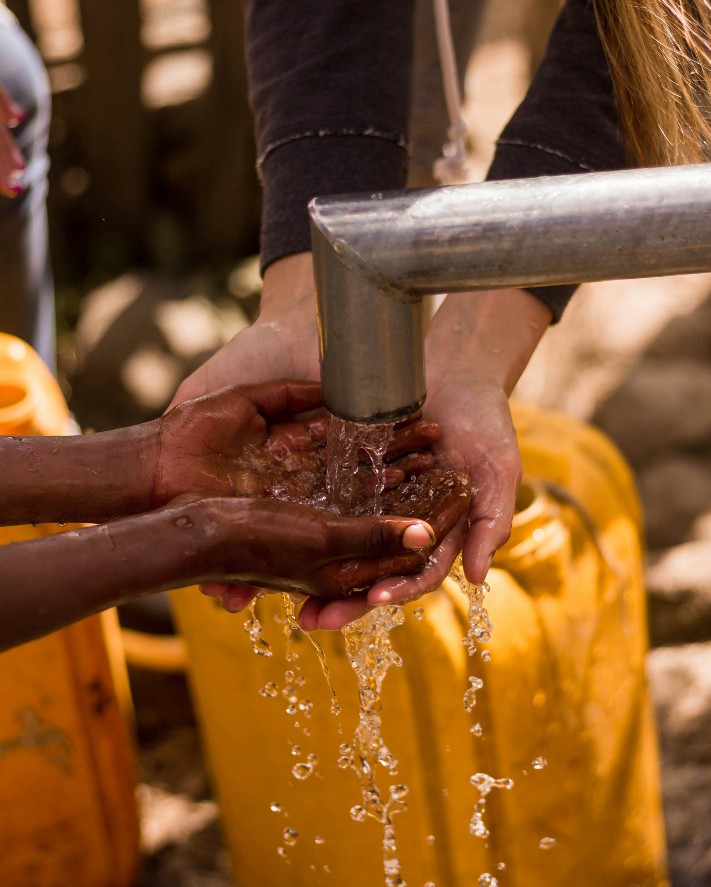
How to make borehole water safe for drinking
Borehole water is water that is sourced from underground wells or boreholes. While borehole water can be a reliable source of water, it can also contain impurities that make it unsafe for drinking. To make borehole water safe for drinking, it is necessary to purify it through a process called borehole water treatment.
Step 1: Test the water
The first step in making borehole water safe for drinking is to test the water to determine the levels of impurities and contaminants. This can be done by sending a water sample to a laboratory for analysis. The most common impurities found in borehole water include bacteria, viruses, parasites, and heavy metals.
Step 2: Choose the right treatment method
Once the impurities in the water have been identified, the next step is to choose the right treatment method to remove them. The most common treatment methods for borehole water include chlorination, ultraviolet (UV) disinfection, and reverse osmosis (RO).
- Chlorination: This method involves adding chlorine to the water to kill bacteria and viruses. The water is then allowed to sit for a period of time to ensure that all the impurities are killed.
- UV disinfection: This method uses UV light to kill bacteria and viruses. The water is passed through a UV chamber where it is exposed to UV light, which kills any impurities in the water.
- Reverse osmosis: This method uses a membrane to filter impurities out of the water. The water is forced through a membrane, which removes impurities such as bacteria, viruses, and heavy metals.
Step 3: Install the treatment system
Once the right treatment method has been chosen, the next step is to install the treatment system. This can be done by a professional water treatment company. The treatment system will need to be connected to the borehole and to the water supply in your home or building.
Step 4: Regular maintenance
The final step is to ensure regular maintenance of the treatment system. This includes regular checks of the system to ensure that it is functioning correctly and that the water is safe to drink. It’s also important to change the filters in the system regularly to ensure that they are working efficiently.
In conclusion, making borehole water safe for drinking requires a multi-step process of testing the water, choosing the right treatment method, installing the treatment system and regular maintenance. By following these steps, you can ensure that the water from your borehole is safe to drink and suitable for all household purposes.